
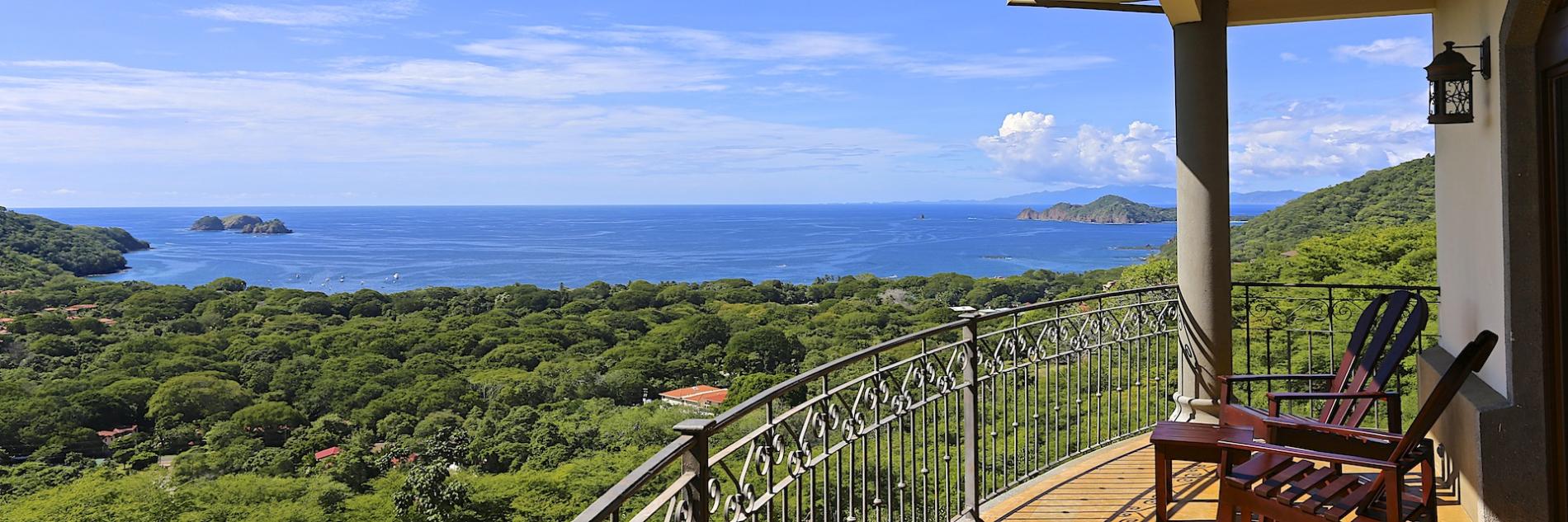

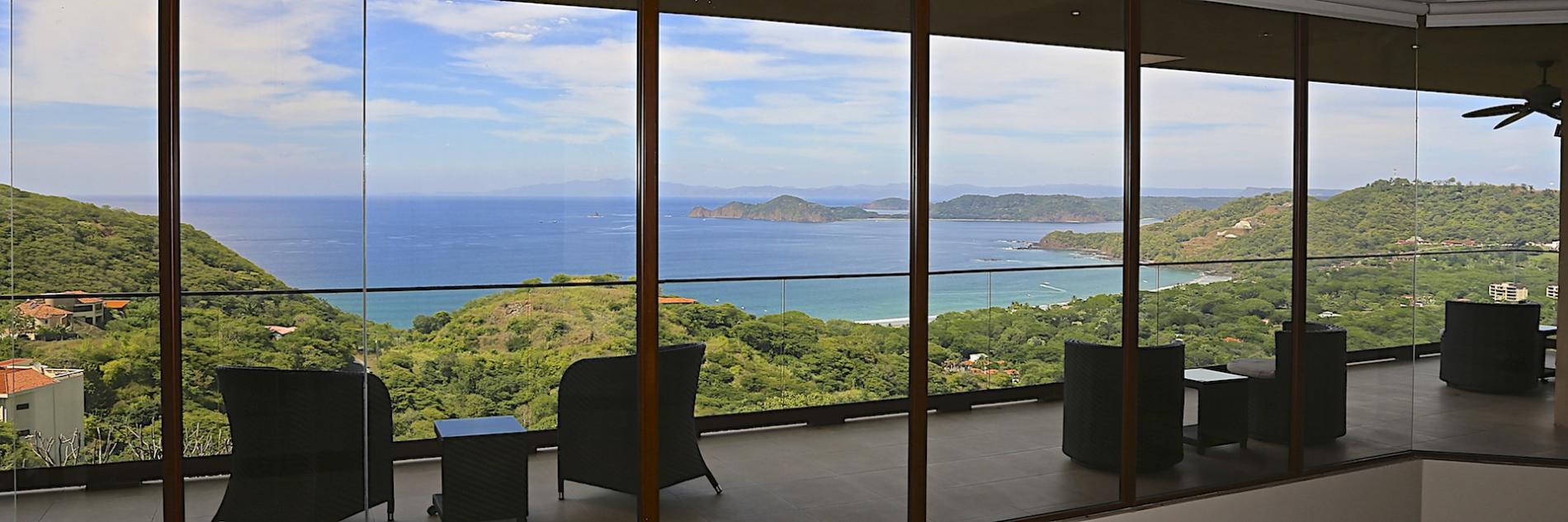
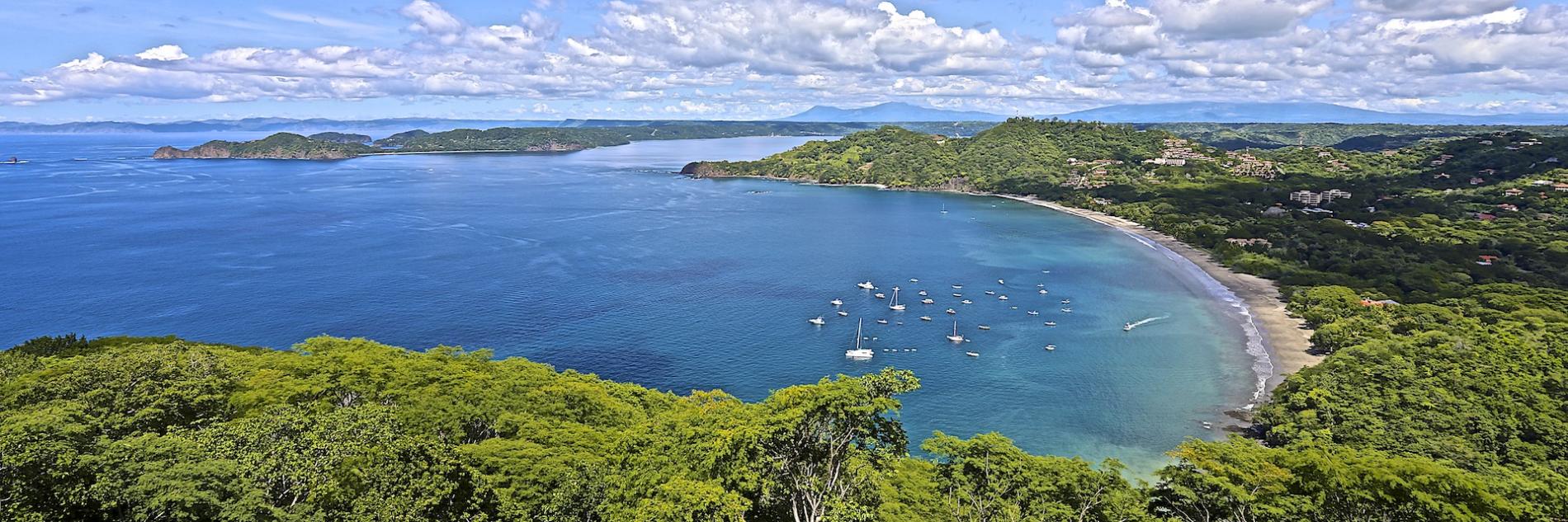


Property taxes in Costa Rica are often described as “surprisingly low,” but the real story is more nuanced. While the core municipal rate is only 0.25%, buyers must understand how taxable values are calculated, when luxury tax applies, how concession fees differ from titled land, and what obligations exist beyond the annual bill. This guide provides a clear, evidence-based explanation of the taxes you should expect when buying property in Costa Rica, with light reference to coastal markets such as Playas del Coco and Playa Hermosa in the Papagayo region.
Why property taxes matter when you buy in Costa Rica
Property taxes influence long-term cost of ownership, financing decisions, and compliance requirements. Although the base rate is low compared to North America or Europe, the system relies on declared values, municipal appraisals, and periodic self-reporting, which can create significant variation between neighboring properties.
In beach communities such as Playas del Coco or Playa Panama, taxable values may lag behind market prices because many owners fail to update their declarations. Understanding how the system works helps prevent surprises, audits, or penalties later.
The main taxes that affect Costa Rica property owners
Annual municipal property tax (Impuesto sobre Bienes Inmuebles)
A nationwide tax of 0.25% on the registered taxable value of the property. This is the base property tax applicable to all titled properties.1
Luxury Home Tax (Impuesto Solidario)
A progressive tax applied to higher-value residential properties exceeding the threshold defined by the Ministry of Finance (Hacienda). Thresholds and brackets are updated periodically in colones.2
Concession fees for Maritime Zone properties
Instead of the 0.25% municipal tax, concession properties pay an annual canon, typically ranging from 2% to 5% of the appraised value, depending on municipal policy, land use, and concession category.3
Other taxes to be aware of (brief overview)
- Property transfer tax: 1.5% when property changes ownership
- Capital gains tax: 15% on gains when selling but there are exceptions for properties acquired before July 1, 2019
- Corporate tax: Annual tax if the property is held in a corporation
Annual municipal property tax (0.25%)
The municipal property tax is established by Law 7509, which mandates a uniform 0.25% tax on the property’s registered taxable value (valor fiscal).1 Municipalities collect it directly.
How taxable value is determined
Taxable value is based on:
- The owner’s declaration of value (typically via forms D-104 or local equivalents)
- Municipal appraisal criteria including land, construction, improvements, and permitted land use
In practice, taxable values often trail behind market values—particularly in coastal regions experiencing rapid development.
How often you must declare
Property owners must update the declaration:
- At least every five years,
- Or sooner if major improvements are made (new construction, additions, pools, terraces).
How and when you pay
The tax year runs from January through December. Municipalities allow payment annually, semi-annually, or quarterly. Some offer small discounts for paying the full year upfront.
Local note: Papagayo area
In municipalities covering the Papagayo region—such as Carrillo and Liberia—systems follow the national model. Due to rising market values in Playas del Coco, Playa Hermosa, and Playa Panama, taxable values may be lower than actual prices, creating potential reassessment risk if transactions expose significantly higher values.
Luxury Home Tax (Impuesto Solidario / Casas de Lujo)
The luxury home tax funds social housing and applies only to residential properties whose total construction and land value exceed the threshold set by the Ministry of Finance.2
What counts as a “luxury home”
The tax focuses primarily on construction value per official valuation tables, plus improvements like pools, perimeter walls, terraces, and internal roads. Land value is also included once the threshold is exceeded.
Thresholds and brackets
It’s important to understand that the luxury home tax uses progressive brackets, not a single flat rate. This means only the portion of value above the threshold is taxed in layers. The first band of excess value is taxed at 0.25%, the next band at a slightly higher rate, and so on — up to approximately 0.55%. This is why the effective luxury-tax rate varies by property and is always higher on properties far above the threshold.
Filing and payment
Filing uses Form D-179. A new valuation is required every three years. Payment is due in January. Municipal tax applies separately.
Example calculation (illustrative)
Assume:
- Taxable value: USD $600,000
- Luxury threshold equivalent: USD $290,000
- Taxable amount above threshold: $310,000
A progressive rate might result in a luxury-tax bill between $1,000 and $1,600, in addition to the municipal tax.
Concession properties and maritime zone considerations
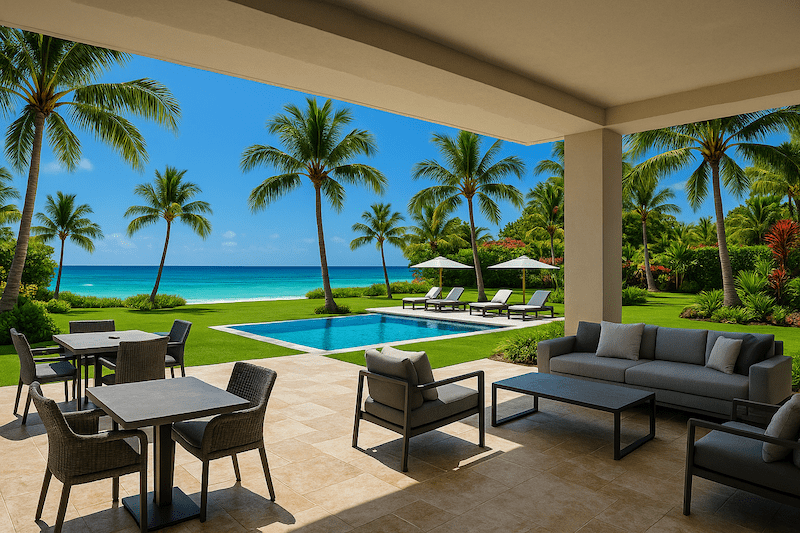
Costa Rica’s Maritime Zone (ZMT) includes the first 200 meters from the high-tide line. Most property within this zone cannot be owned fee-simple but instead is held as a concession administered by the local municipality and the Costa Rican Tourism Board.
Fee-simple vs concession
- Fee-simple: standard titled property; pays the 0.25% municipal tax.
- Concession: leased from the municipality; pays a canon instead.
Canon rates
Canon is typically 2%–5% of appraised value, significantly higher than property tax.3 In coastal regions like the Papagayo area, some beachfront parcels fall under concession rules.
Estimated annual property tax calculator by property value
The following table assumes taxable value equals purchase price for illustration purposes.
| Property value (USD) | Approx. annual municipal tax (USD) | Estimated luxury tax range (USD) |
|---|---|---|
| $0 – $100,000 | $0 – $250 | $0 (below luxury threshold) |
| $100,000 – $250,000 | $250 – $625 | $0 (typically below threshold) |
| $250,000 – $500,000 | $625 – $1,250 | $625 – $1,375 |
| $500,000 – $1,000,000 | $1,250 – $2,500 | $1,250 – $3,750 |
| $1,000,000 – $2,500,000 | $2,500 – $6,250 | $3,750 – $12,500 |
| $2,500,000 – $5,000,000 | $6,250 – $12,500 | $12,500 – $27,500 |
The above table does not apply to beachfront concession land. All tax rates are subject to change without notice.
Common pitfalls and how to avoid problems
- Under-declaring taxable value: May lead to reassessment, penalties, or delays during sale.4
- Ignoring declaration schedules: Municipal (five years) and luxury tax (three years).
- Failing to declare improvements: Pools or additions can trigger luxury-tax obligations.
- Not understanding concession fees: Canon can be significantly higher than the 0.25% tax.
- Assuming uniform taxes: Neighboring properties may have outdated or inaccurate declarations.
How Costa Rica’s taxes compare internationally
North America typically sees property taxes from 0.7% to 2.5% of market value yearly. Costa Rica’s 0.25% municipal rate is substantially lower. Even with the luxury tax added, overall holding costs often remain below North American norms.
Practical steps before buying
- Request the current municipal tax status
- Review past declarations
- Verify luxury-tax exposure
- Confirm fee-simple or concession status
- Obtain municipal certifications
- Commission a valuation if buying a high-value home
Typical Questions from Readers
1. Is the 0.25% municipal rate really fixed?
Yes. The 0.25% rate is set in Law 7509 and has been stable for decades.1
2. Why is the declared value lower than sale prices?
Because taxable value is based on self-reporting and municipal appraisal, which may lag behind market appreciation, especially in coastal areas.
3. Will taxes increase because foreigners buy?
Tax rates do not change based on nationality. Any adjustment must occur through legislation.
4. Why do neighbors pay less?
Their declarations may be outdated or improvements may differ. Declared values vary widely.
5. What triggers reassessment?
Major improvements, new declarations, or inconsistencies uncovered during a sale.
6. Is the luxury tax based on land or construction?
Primarily on construction value and improvements, then land above the threshold.2
7. Why are concession fees higher?
"Canon" represents a lease from the municipality rather than a property tax and is governed by concession regulations.3
References
1. Law 7509 – Impuesto sobre Bienes Inmuebles (Municipal Property Tax Law - in Spanish). Procuraduría General de la República.
2. Ministry of Finance (Hacienda) – Luxury Home Tax Portal (In Spanish) Impuesto Solidario
3. Maritime Zone Law (ZMT) in Spanish, Law No. 6043; ICT Concession Guidelines
4. Costa Rica Property Tax Summaries (Meléndez & Bonilla, Outlier Legal, PwC Tax Summaries)
The information in this blog is provided for general informational purposes only and does not constitute legal, tax, financial, or investment advice. Costa Rican tax laws, municipal regulations, and valuation criteria change periodically, and obligations may vary depending on individual circumstances. Buyers should consult a qualified Costa Rican attorney, accountant, or municipal authority to confirm their specific tax responsibilities before making any decisions.
This blog, like others on our website, is written by long-term Costa Rica property owners and real estate professionals with more than 25 years of combined experience living and working in the country. Our insights are based on real transactions, property ownership, municipal processes, and day-to-day involvement in the Costa Rica real estate market, particularly in Guanacaste and the Papagayo region.