


For many North Americans, the idea of building a home in Costa Rica begins with a simple assumption: construction will be cheaper, easier, and faster than back home. In reality, the cost to build in Costa Rica varies widely—and often surprises first-time buyers. Two homes of similar size can end up with dramatically different price tags depending on where they are built, how they are designed, and what level of quality the owner expects.
Building costs here are shaped by geography, climate, permitting, access to labor, and infrastructure in ways that are very different from the U.S. or Canada. A flat lot near town with utilities in place is not remotely comparable to a hillside ocean-view parcel that requires road access, retaining walls, and specialized engineering. Add to that Costa Rica’s bureaucracy, import taxes, and weather-driven timelines, and the idea of a “standard” build cost quickly disappears.
This article is designed to give prospective buyers a realistic framework. Rather than offering overly optimistic numbers, it explains what truly influences construction costs in Costa Rica—particularly in coastal regions like Papagayo—so buyers can plan intelligently, avoid surprises, and decide whether building makes sense for their goals and budget.
Understanding Construction Costs in Costa Rica
Typical Cost per Square Meter
In Costa Rica, construction costs are almost always quoted on a per–square meter basis rather than per square foot. This number generally refers only to enclosed interior living space and does not automatically include decks, terraces, pools, landscaping, or site preparation unless clearly stated. For foreign buyers, misunderstanding what is included in this number is one of the most common budgeting mistakes.
As a general reference, current construction cost ranges in USD are outlined below. These figures assume competent builders, legal permitting, and appropriate construction standards for coastal Costa Rica.
| Construction Level | Approx. Cost per m² (USD) | What This Typically Includes |
|---|---|---|
| Basic / Budget | $900 – $1,200 | Simple design, basic local finishes, limited architectural complexity (typically not suitable for foreign investors) |
| Mid-Range Residential | $1,400 – $2,000 | North American–style layouts, better systems, solid materials |
| Luxury / High-End | $2,300 – $3,200+ | Custom architecture, premium finishes, complex engineering |
These numbers should be treated as estimates rather than guarantees. Ceiling heights, structural spans, finish selections, and site conditions can easily push a project above these ranges.
Why Home Building Costs Differ from North America or Europe
While labor costs in Costa Rica are generally lower than in the United States or Canada, that does not automatically translate into cheaper homes. Many materials used in higher-quality construction are imported, bringing with them shipping costs, import taxes, and delays. Items that are standard and inexpensive in North America may be costly or difficult to source locally.
Transportation also plays a role. A remote coastal project may require materials to be delivered long distances over secondary roads, and skilled labor may need to travel from larger population centers. Quality construction is readily available in Costa Rica, but it operates within a different economic reality than many buyers expect.
Land and Site Considerations
How the Building Lot Itself Affects Building Costs
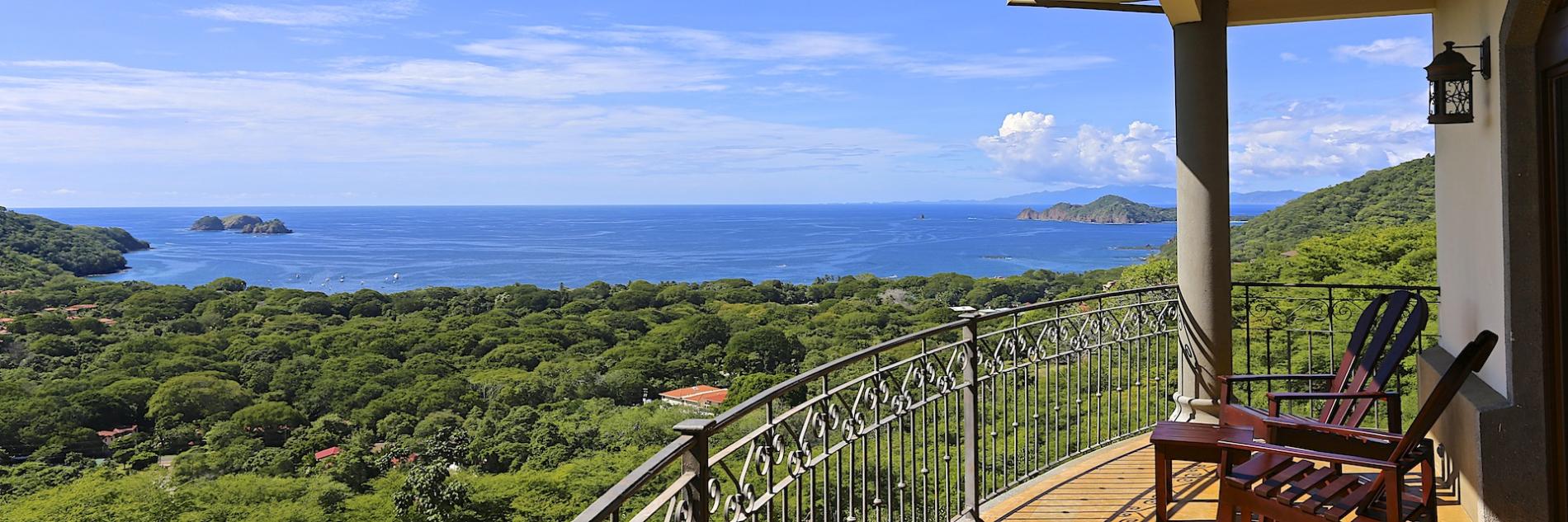
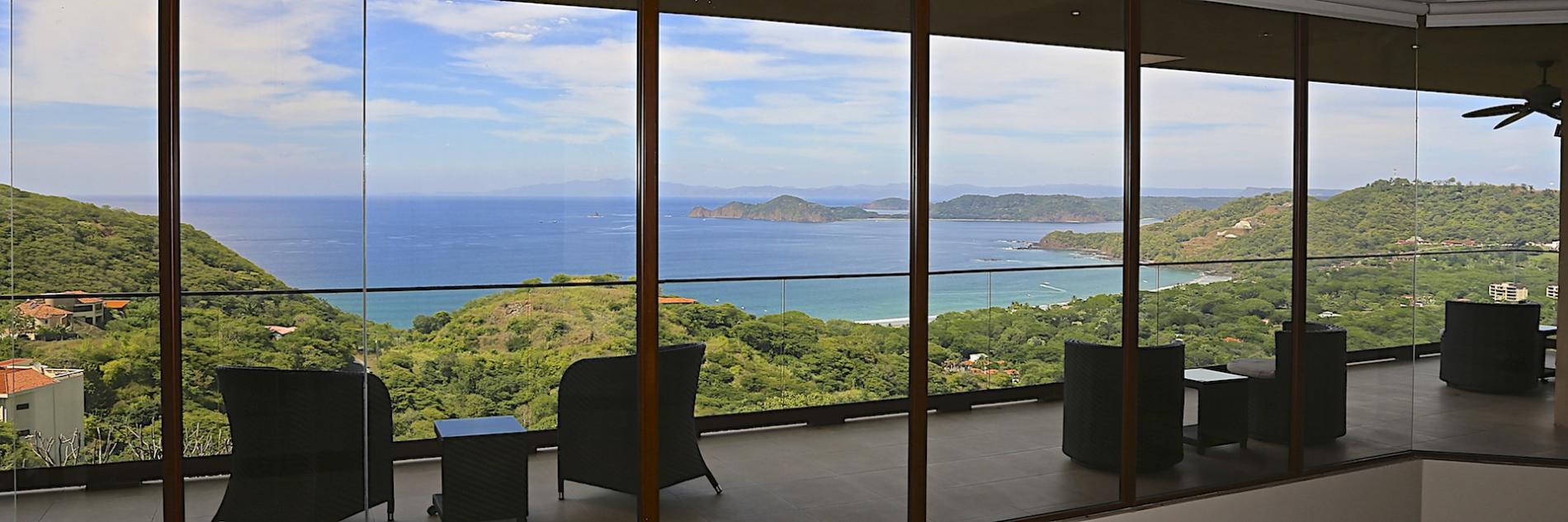
The physical characteristics of a lot can dramatically affect construction costs. Flat parcels with existing access are typically the most economical to build on. Hillside lots—especially those with ocean views—often require extensive excavation, retaining walls, and engineered foundations.
In areas like Playas del Coco or the hills surrounding Playa Hermosa, buyers are often drawn to lower-priced view lots without fully accounting for the cost of making the land buildable. In many cases, the “cheaper” lot becomes significantly more expensive once construction begins.
Infrastructure Preparedness
Many foreign buyers assume utilities are readily available once land is purchased. In reality, road access may need improvement, electricity may require new transformers, and water availability is not guaranteed. Septic systems, drainage work, and slope stabilization are common—and often underestimated—expenses.
Architectural Design and Engineering
Architect and Engineering Fees
Costa Rican law requires licensed professionals for architectural and engineering work. Structural engineering is especially important due to seismic activity, and earthquake-resistant design is mandatory. Plans must be reviewed by the College of Architects and Engineers, and construction insurance through INS is required.
Professional fees typically range from 6% to 12% of construction cost, depending on complexity and level of service. While this may feel high to some buyers, it is a critical investment in safety, compliance, and long-term durability.
Custom Build vs Pre-Designed Plans
Custom homes offer flexibility but usually cost more and take longer. Pre-designed plans can reduce architectural fees and streamline approvals, though they may still require modification for site conditions or climate. The most successful projects balance personalization with efficiency.
Materials and Construction Quality
Quality Levels
Costa Rica offers a wide range of construction quality. Basic local finishes can be functional but may not meet the durability or aesthetic expectations of North American buyers (i.e. lack of electrical grounding, tiny or shower head mounted hot water heater). Mid-range homes tend to be ideal in cost for the average retirement home buyer, while luxury projects often rely heavily on imported materials.
Weather and Climate Considerations
Building for Costa Rica means building for humidity, salt air, heavy rain, and seismic activity. Coastal corrosion, ventilation, roof design, and moisture management must be addressed properly. Materials that perform well in colder or drier climates may fail quickly if not adapted to local conditions.
Labor Costs and Construction Management
Labor Costs in Costa Rica
Unskilled labor is relatively affordable, but skilled trades such as electricians, plumbers, and finish carpenters command higher wages. Quality workmanship is available, but it requires oversight and proper scheduling.
Who Is Managing the Build?
Some buyers attempt an owner-builder approach (very risky), often underestimating the language skills, local knowledge, and time required. Hiring an experienced local builder or project manager increases upfront cost but often reduces risk, delays, and long-term issues.
Permits, Legal Fees, and Government Requirements
Municipal Permits
Construction requires municipal approval, professional review, and sometimes environmental clearance. Costa Rica’s environmental authority, SETENA, evaluates projects that may impact sensitive areas. When required, this process can add time and cost, but it is an essential safeguard.
Legal and Registration Costs
Legal fees, inspections, and administrative costs are unavoidable and should be budgeted from the start. These expenses protect the buyer and ensure the project complies with Costa Rican law.
Utilities and Systems
Electrical
Basic residential systems are common, but larger homes with air conditioning, pools, or backup power require higher-capacity infrastructure and specialized design.
Water Systems
Municipal water is not always available. Wells may be restricted, and many homes rely on storage tanks or rainwater systems. Water planning is a critical early step.
Waste Management
Septic systems are standard, though treatment plants may be required for larger or environmentally sensitive projects. These systems add cost and long-term maintenance responsibilities.
Furnishings, Landscaping, and Hidden Finishing Costs
Interior Furnishings
Appliances, cabinetry, and furniture are frequently overlooked in early budgets. Imported items increase cost, while local options vary widely in quality.
Exterior Elements
Pools, driveways, decks, outdoor kitchens, and landscaping can represent a substantial additional investment. Maintenance expectations should also be considered from the outset.
Timeline and What Delays Cost
Realistic Build Timelines
A best-case scenario might be 10 to 12 months. More commonly, projects take 14 to 24 months due to weather, approvals, and logistics.
Cost of Delays
Delays can increase costs through inflation, extended rentals, and contract extensions. Time is a meaningful financial variable in Costa Rica.
Regional Cost Differences
Building in Papagayo vs Other Regions
Papagayo generally commands higher construction costs due to terrain, standards, and demand. Central Valley projects often benefit from easier access to labor and materials, while more remote regions face logistics premiums.
Real-World Example Budgets
Sample Build Scenarios
A modest 1,200 sq ft home may fall within a basic to mid-range budget. A 2,000 sq ft family home typically lands solidly in the mid-range category. A 4,000+ sq ft ocean-view villa often falls within luxury benchmarks due to engineering, finishes, and site work.
How to Protect Your Budget
Best Practices
Clear contracts, realistic allowances, inspections, and choosing the right builder are essential. Fixed-price contracts reduce uncertainty, while cost-plus structures require careful oversight.
Final Thoughts: Is Building in Costa Rica Worth It?
Over the years, many of our clients have chosen to purchase residential lots and build custom homes here in Costa Rica. In nearly every successful case, they relied on experienced local builders—professionals who understand what it truly takes to live well here. These builders construct homes that last, know how to source the right materials, and have established relationships with architects, engineers, municipal offices, and legal professionals. Just as importantly, they understand how to navigate Costa Rica’s regulatory environment efficiently, cutting through red tape and keeping projects moving forward.
By contrast, buyers who attempt to manage the process on their own often discover—often too late—that the bureaucracy is far more complex and time-consuming than expected. Many eventually bring in a builder after months of delays and unnecessary frustration. Those who plan carefully, set realistic expectations, and work with experienced local professionals tend to avoid these pitfalls and achieve far better outcomes overall.
If you’re looking for a building lot or beginning to think seriously about a custom home in Costa Rica, having the right guidance early on can make a meaningful difference. Feel free to reach out—we’re glad to help you identify suitable land and move forward with confidence.