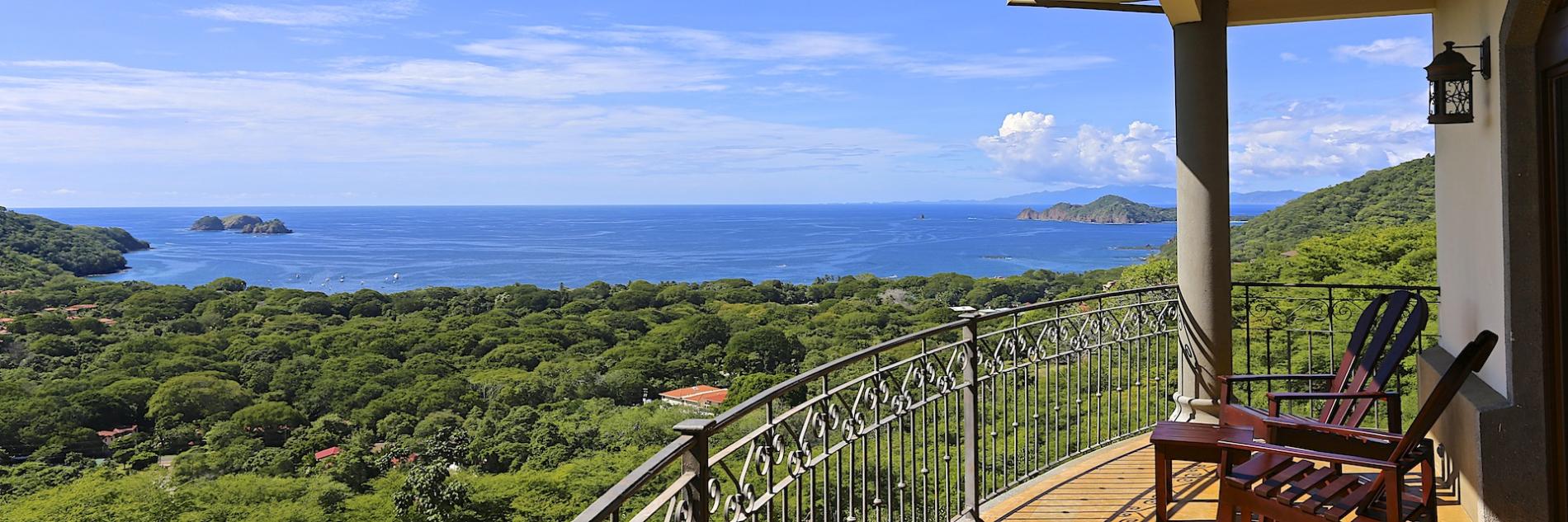
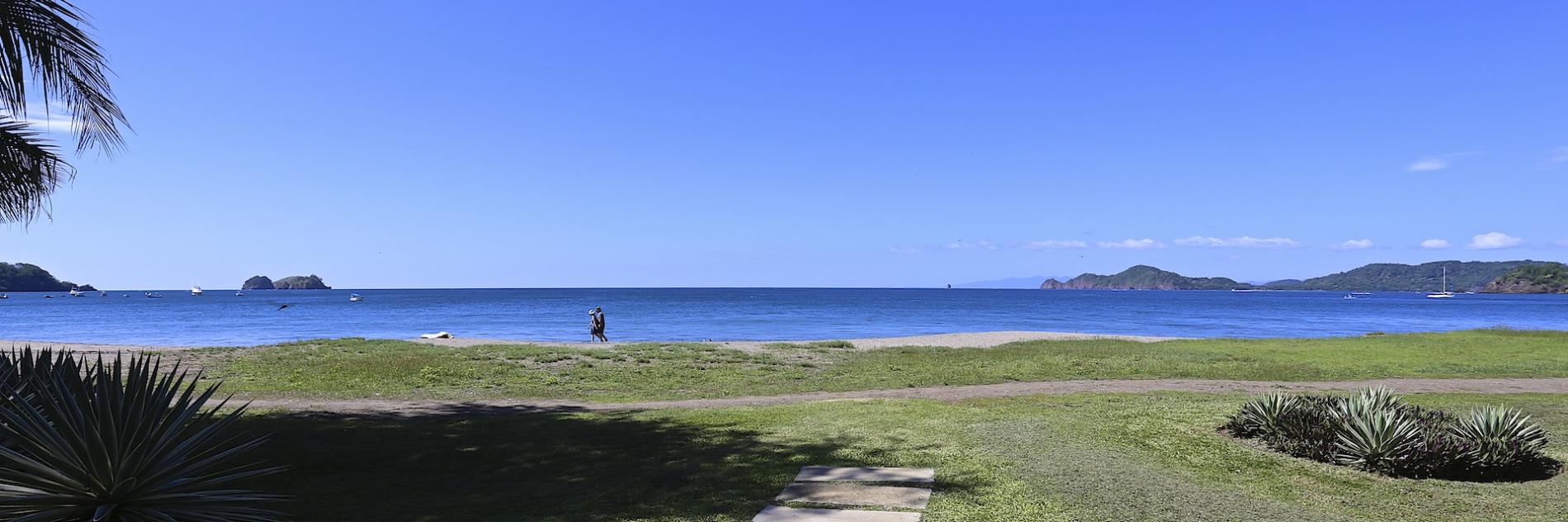

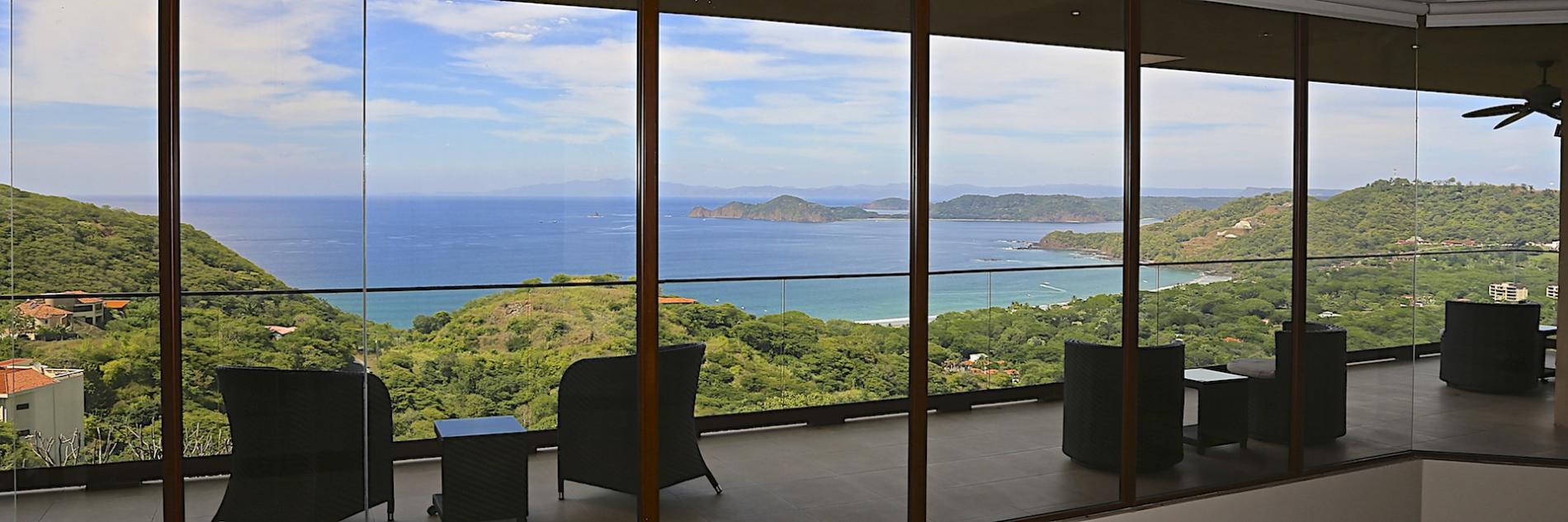
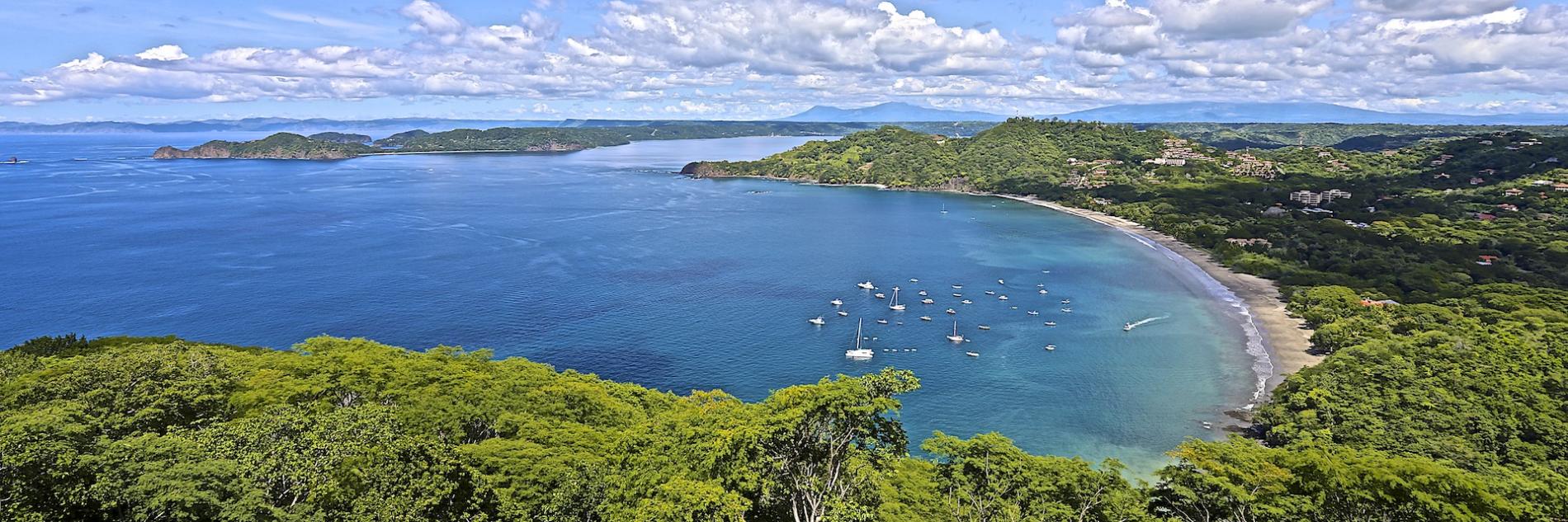
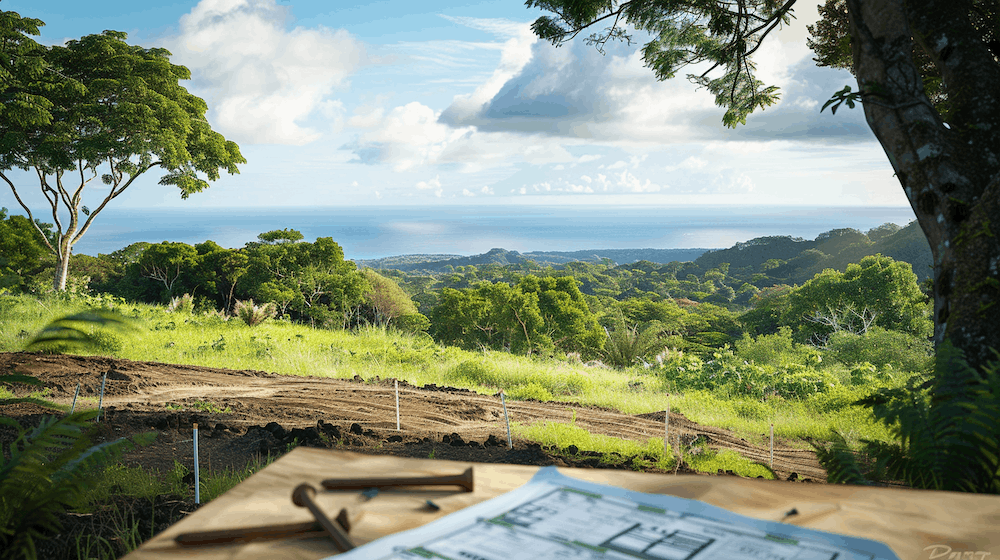
The dream of building a custom home in Costa Rica, with views of the Pacific and the sounds of tropical nature, draws investors from around the world. The Papagayo region, known for its pristine beaches, luxury developments, and established expatriate communities, is a particularly appealing destination. But turning that dream into a reality requires more than just finding the perfect lot. For any buyer, especially those new to the country’s legal system, a thorough due diligence process is the most critical investment you will make. It is the non-negotiable foundation for securing your property and protecting your financial interests.
This guide provides a clear, step-by-step framework for evaluating residential land in Costa Rica. By following these procedures, you can navigate the purchase process with clarity, avoid common and costly mistakes, and invest with confidence.
Step 1: Verify Legal Title and Ownership
Before you can assess a property's potential, you must first confirm that the seller has the legal right to sell it and that the title is clear of any issues. This foundational step protects you from future ownership disputes and legal complications.
Understand the National Registry (Registro Nacional)
The cornerstone of property ownership in Costa Rica is the National Registry, a public and centralized database that holds the official record for all titled properties. Every registered property is assigned a unique identification number known as the folio real. This number acts as a key, unlocking the property's complete legal history, including past owners, sales, mortgages, and any existing encumbrances. For an international buyer, understanding the registry's role is crucial; it provides a transparent and verifiable source of truth for any property you consider.
Confirm a Clean Title
The process of verifying ownership begins with a title search conducted through the National Registry, using the property’s folio real. This search confirms the registered owner and reveals any potential legal claims against the property. Key items to look for include:
- Liens (Gravámenes) and Mortgages: These are financial claims against the property that must be resolved before the title can be transferred to a new owner.
- Annotations and Legal Disputes: These indicate ongoing legal proceedings or claims that could affect ownership or development rights.
- Registered Survey (Plano Catastrado): Every property must have a survey map registered with the National Cadastre, which is part of the National Registry. It is essential to ensure this registered survey accurately matches the physical boundaries of the land you intend to purchase. An independent surveyor should confirm its accuracy on the ground.
Step 2: Confirm What You Can Legally Build
Once you have verified that the property has a clean title, the next step is to determine if you can legally build your intended project on it. Ownership does not automatically grant the right to build, and local regulations dictate what is permissible.
Review the Land Use Certificate (Uso de Suelo)
A municipal land use certificate, or uso de suelo, is the single most important document for this step. Issued by the local government, it specifies exactly how a property can be legally used—whether for residential, commercial, mixed, or agricultural purposes. For anyone planning to build a home, obtaining a current uso de suelo that explicitly permits residential construction is mandatory. This document also outlines critical development parameters, such as the maximum building footprint (coverage), the number of stories allowed, and required setbacks from property lines.
Understand Building Permits and HOA Rules
Beyond the municipal uso de suelo, construction requires a building permit from the local municipality. The application process is detailed and requires architectural plans approved by the Federated College of Engineers and Architects (CFIA).
In many desirable Papagayo communities, there is an additional layer of rules enforced by a Homeowners Association (HOA). These regulations are designed to maintain the community’s aesthetic and property values. They can include strict architectural guidelines, height restrictions, approved color palettes, and specific building standards that may be more restrictive than municipal codes. It is vital to review all HOA covenants and restrictions before purchasing.
Step 3: Assess Essential Utilities and Access
A beautiful, legally buildable lot is of little value without access to essential services. This practical stage of due diligence involves verifying the availability of water, electricity, internet, and legal road access.
Secure a Water Availability Letter (Carta de Disponibilidad de Agua)
An official water availability letter, or carta de disponibilidad de agua, is a document required to obtain a building permit, confirming that a legal water source can supply your property. In Costa Rica, access to water is not guaranteed. This letter is issued by the national water authority (AyA) or the local municipal water provider (ASADA). If the property relies on a well, it must have a legally registered water concession. A seller's verbal assurance of "having water" is not enough; without the official letter, you cannot build.
Verify Utilities and Legal Road Access
Confirming access to the electrical grid is typically straightforward, but it's important to understand the distance and cost associated with connecting to the nearest power lines. Likewise, investigate the availability and quality of internet and other telecommunication services in the area, as this can vary significantly.
Equally critical is verifying legal access. The property must front a public road or have a properly registered right-of-way, known as a servidumbre, that is recorded in the National Registry. Some properties may appear to have access via a private dirt road, but if that access is not legally registered, the lot could be considered landlocked, making it unbuildable and inaccessible.
Step 4: Evaluate the Land's Physical and Environmental Condition
Due diligence extends beyond legal documents to the land itself. A thorough physical assessment is necessary to understand the site's suitability for construction and identify any environmental constraints.
Analyze Topography, Soil, and Boundaries
The land's topography—its slope, drainage patterns, and overall stability—will significantly influence your home's design and construction costs. Steeply sloped lots may offer stunning views but often require more complex and expensive foundations and earthwork. It is highly recommended to hire a professional to conduct soil tests. These tests determine the ground's composition and stability, which is essential information for designing a safe foundation and a properly functioning septic system. An independent surveyor should also be hired to physically mark the property boundaries based on the registered plano catastrado to ensure there are no encroachments or discrepancies.
Check for Environmental Regulations and Protected Zones
Costa Rica is renowned for its commitment to environmental protection, and this is reflected in its strong land use laws. Before purchasing, you must verify if the property is located within or near any protected zones, such as national parks, wildlife refuges, or areas with specific environmental restrictions. Properties near rivers, springs, or the coastline are subject to special setbacks where construction is prohibited. For coastal properties, the Maritime Zone Law imposes strict limitations on development within 200 meters of the high-tide line. Ensuring your project complies with all national and local environmental regulations is fundamental.
Final Steps: Assemble Your Team and Avoid Common Pitfalls
Navigating the complexities of a land purchase in Costa Rica requires a team of qualified professionals dedicated to protecting your interests.
Hire the Right Professional Team
Your core team should include three essential experts:
- A Reputable Real Estate Agent: A knowledgeable local real estate agent provides invaluable market insight, helps identify suitable properties, and guides you through the initial stages of the process.
- A Specialized Real Estate Attorney/Notary: This is your most important ally. In Costa Rica, a notary public has the exclusive authority to draft and record the property transfer deed in the National Registry. Your attorney will conduct the title search, review all legal documents, and ensure the entire transaction is legally sound.
- A Licensed Surveyor or Topographer: This professional verifies that the property's legal survey map matches its physical boundaries on the ground, identifies topographical challenges, and confirms legal access points.
Avoid These Common Land-Buying Mistakes
By being proactive, you can avoid the frequent errors that trap uninformed buyers. The most common mistakes include:
- Failing to secure an official water letter: Relying on a seller's promise of water without the carta de disponibilidad de agua is a primary reason building permits are denied.
- Overlooking zoning and land use restrictions: Assuming you can build whatever you want without checking the uso de suelo and HOA rules can derail a project before it starts.
- Neglecting a physical site inspection and soil tests: Skipping this step can lead to unforeseen construction costs related to soil instability or drainage issues.
- Relying solely on the seller's information: Always conduct independent verification through your own professional team.
Whether you are looking at a hillside lot in Playa Hermosa or a property within a planned community near Playas del Coco, these principles remain the same. A structured and comprehensive due diligence process is the only way to ensure the land you purchase is not just beautiful, but a secure and viable foundation for your home in paradise.