
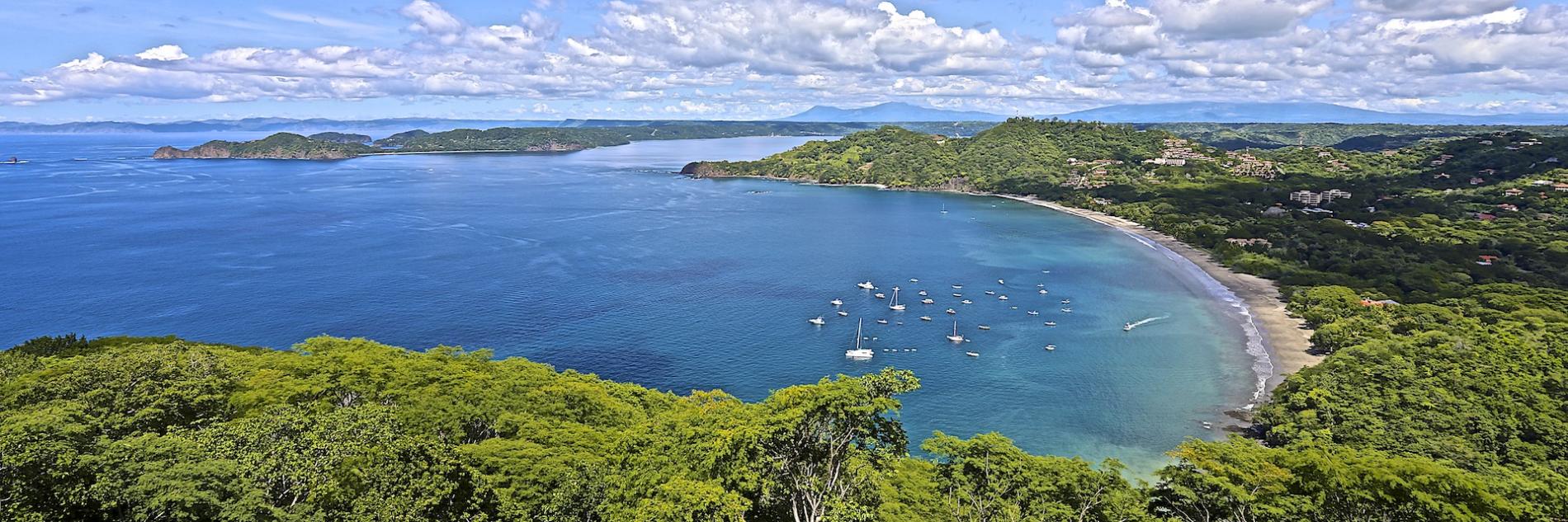
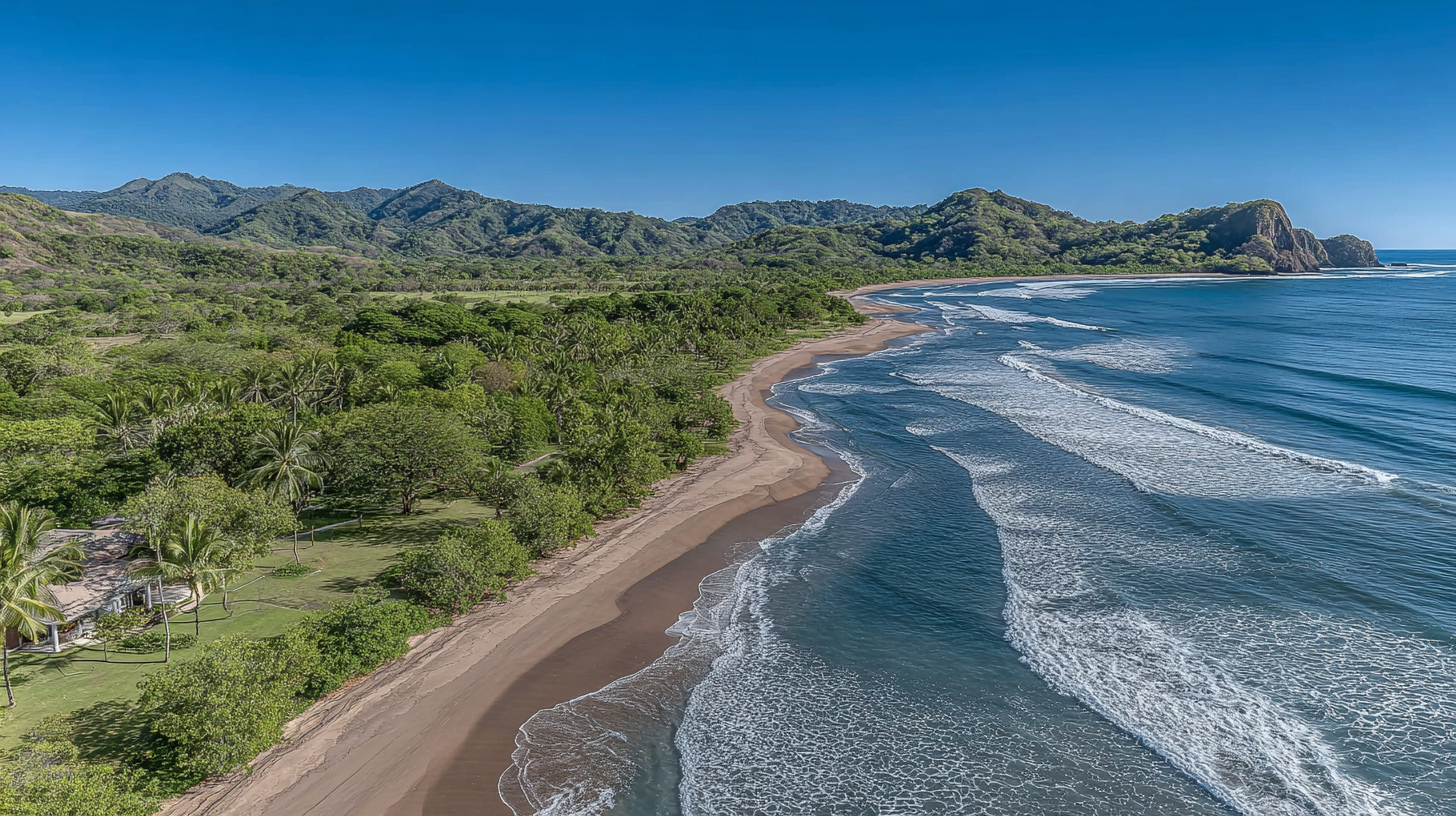
A question we often hear. The dream of owning property where the jungle meets the sea is a powerful draw for many investors and future expats. But when it comes to Costa Rica, the question of whether a foreigner can purchase beachfront land isn't a simple yes or no.
Yes, foreigners can buy beachfront property in Costa Rica. However, the process and the nature of beachfront ownership are fundamentally different from what you might be used to in North America or Europe. Securing that piece of paradise requires understanding a critical legal framework that governs all coastal land. Your ability to buy and what you actually own will depend on whether the property is fully titled or falls under a government concession.
Understanding Costa Rica’s Coastline: The Maritime Zone Explained
To grasp the concept of beachfront ownership in Costa Rica, you first need to understand the *Zona Marítimo Terrestre* (ZMT), or the Maritime Zone. This law, established in 1977, defines the legal status of the country's coastline. The ZMT encompasses the first 200 meters of land measured inland from the average high-tide line.
This 200-meter strip is divided into two distinct sections:
1. The Public Zone (Zona Pública): The first 50 meters from the high-tide line is public land. It belongs to the state and cannot be owned, developed, or obstructed in any way. This ensures public access to all beaches in Costa Rica for everyone.
2. The Restricted Zone (Zona Restringida): The next 150 meters inland is restricted. While this land is still owned by the government, it can be leased for private use through a legal instrument known as a concession.
This framework is the foundation of nearly all beachfront real estate transactions in the country.
Titled vs. Concession Property: The Two Paths to Beachfront Living
When searching for property along the coast, you will encounter two primary types: fully titled and concession. The distinction between them is crucial, as it defines your rights, responsibilities, and the long-term security of your investment.
Fully Titled Beachfront Property: True Ownership
Fully titled property, also known as fee-simple ownership, is the model most international buyers are familiar with. It grants you outright ownership of the land and any structures on it, registered in your name in the National Registry. This is the most secure form of ownership, providing perpetual rights that can be passed down to heirs or sold freely.
So, how can titled property exist within the government-controlled Maritime Zone? These properties are rare exceptions. They were typically titled *before* the Maritime Zone law was enacted in 1977. These pre-existing titles were grandfathered in and are legally recognized. Because of their scarcity and the high level of security they offer, fully titled beachfront lots are among the most valuable and sought-after real estate in Costa Rica.
Concession Property: A Long-Term Government Lease
The vast majority of properties located directly on or near the beach fall within the restricted 150-meter zone and are governed by concessions. A concession is not direct ownership of the land. Instead, it is a long-term lease granted by the local municipality and the Costa Rican Tourism Board (ICT) that gives the holder the right to use and develop the land for a specific period, typically 20 years.
Think of it as a formal, registered right-of-use contract with the government. While you don't own the land itself, you can own the improvements you build on it, such as a home or a business. This is the most common way for individuals and developers to secure prime beachfront locations.
Navigating Concession Property: A Deep Dive for Foreign Buyers
Since most available beachfront property is concession land, it’s essential for foreign buyers to understand the specific rules that govern these transactions. The process is more complex than a standard purchase and requires careful legal guidance.
Ownership Restrictions for Foreigners
A key rule for foreign buyers is that a non-Costa Rican citizen cannot be the majority owner of a concession in their personal name. Costa Rican law requires that at least 51% of a concession be owned by a Costa Rican citizen or a resident who has lived in the country for at least five years.
The most common and secure way for a foreigner to navigate this is by holding the concession through a Costa Rican corporation (*Sociedad Anónima* or S.A.). The shares of the corporation can be structured to give the foreign buyer full control over the asset and its operations, while still complying with the letter of the law. Your attorney can establish the proper corporate structure to protect your interests.
Furthermore, any use of concession land is subject to strict regulations. All development must adhere to the local zoning plan, or *plan regulador*, which dictates what can be built, the density, and the intended use of the land.
A Concession Holder's Rights, Renewals, and Risks
As a concession holder, you have the right to build, possess, and use the property according to the terms of the lease and the local zoning plan. You can sell your rights to the concession by transferring the controlling shares of the holding corporation to a new buyer.
Concessions are granted for a set term, usually 20 years. At the end of the term, they are eligible for renewal. The renewal process is generally straightforward, provided the concession holder has remained in good standing by paying the annual concession fees (*canon*) and property taxes, and has complied with all legal and environmental regulations.
However, risks exist. Renewal is not guaranteed, although it is rare for a municipality to deny the renewal of a residential concession that is in good standing. Government regulations or zoning plans can change over time, potentially impacting future use of the property. This underscores the importance of thorough due diligence before making a purchase.
The Buyer’s Essential Due Diligence Checklist
Whether you are pursuing a rare titled lot or a more common concession property, rigorous due diligence is non-negotiable. The complexities of coastal property law in Costa Rica demand professional oversight to ensure a secure and transparent transaction.
The Vital Role of Your Real Estate Attorney
Engaging an experienced and reputable real estate attorney is the single most important step you can take. Your attorney is responsible for protecting your interests. For a beachfront purchase, their due diligence must include:
- Title or Concession Search: Verifying the property’s status in the National Registry, ensuring the seller has the legal right to transfer it, and confirming that the concession is active and in good standing.
- Lien and Encumbrance Check: Searching for any mortgages, liens, or other legal claims against the property.
- Municipal Compliance: Confirming that all property taxes and concession fees are paid up to date and that there are no outstanding municipal issues.
- Survey and Boundary Verification: Ensuring the property's registered survey plan matches its physical boundaries.
Building Regulations and Environmental Laws
Building on the coast is subject to an extra layer of scrutiny. Your due diligence team must verify compliance with the local *plan regulador* and all national environmental laws. Obtaining building permits within the Maritime Zone often requires additional steps and approvals from government bodies like SETENA (the National Environmental Technical Secretariat). An experienced architect or engineer can help navigate this process.
Beachfront Opportunities in the Papagayo Region

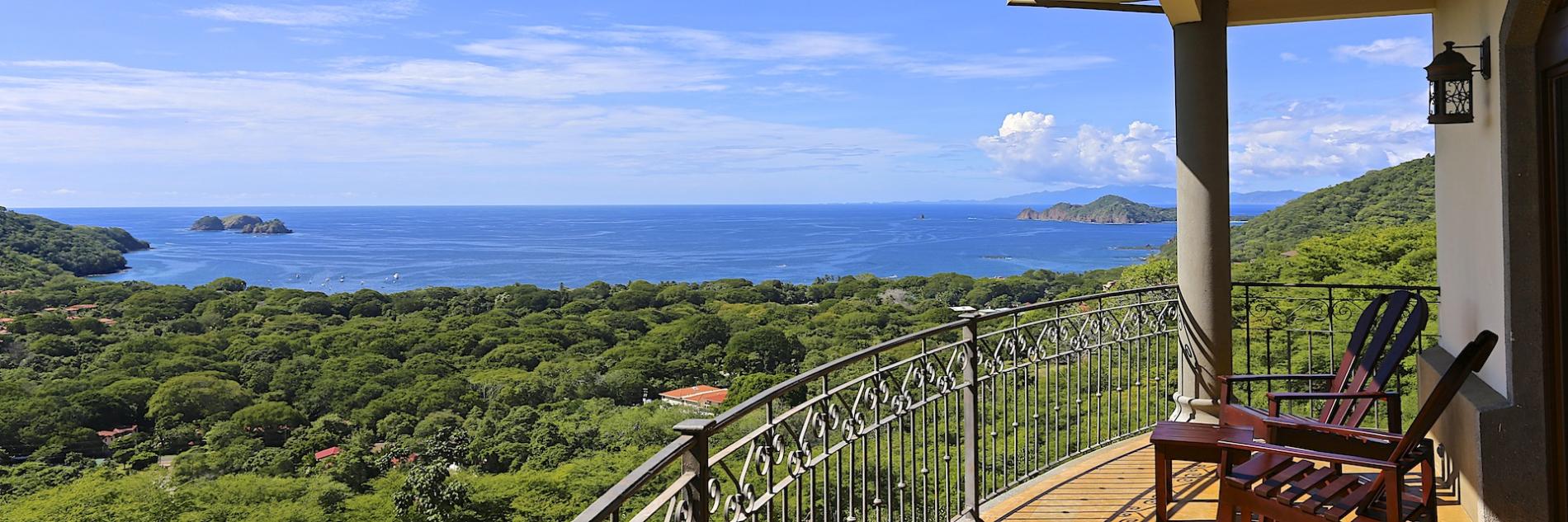
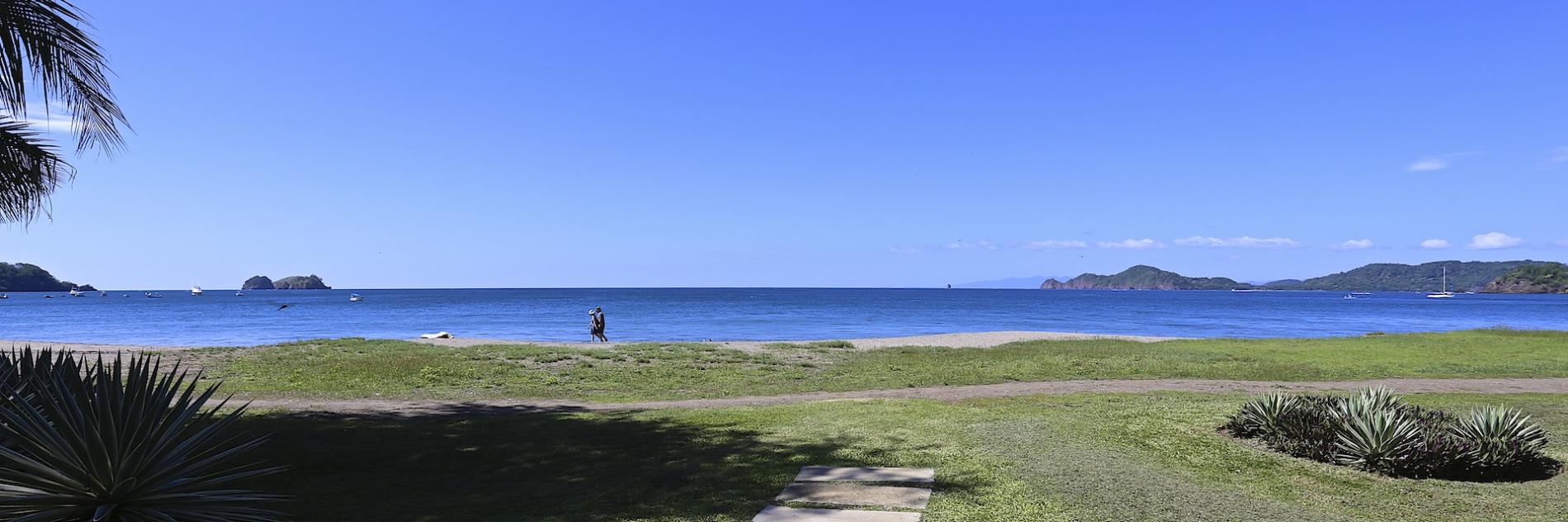
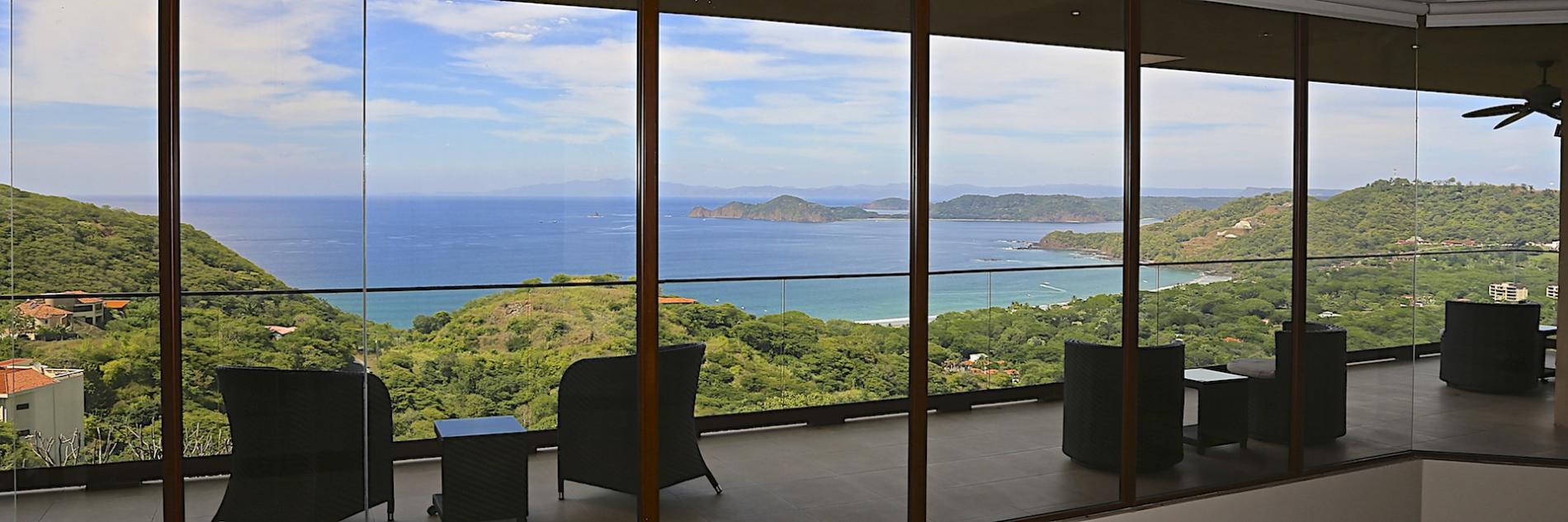
In the popular Papagayo region of Guanacaste, which includes destinations like Playas del Coco, Playa Hermosa, Playa Ocotal, and Playa Panama, buyers will find a mix of both titled and concession properties. The older, a few more established communities often have a higher concentration of titled lots that were registered decades ago.
Newer developments and properties located directly on the sand are more likely to be concession land. Areas like Playas del Coco and Playa Hermosa offer a dynamic market with options ranging from luxury oceanfront homes under concession to titled properties just a short walk from the beach. Understanding the local landscape and working with a real estate professional who specializes in the region is key to finding the right opportunity.
Common Mistakes to Avoid When Buying Beachfront Property
Navigating the Costa Rica real estate market can be a smooth process with the right preparation. To ensure a successful investment, avoid these common pitfalls:
- Assuming All Beachfront is the Same: Failing to understand the fundamental difference between titled and concession property can lead to significant surprises.
- Skipping Professional Legal Counsel: Relying solely on a seller’s agent or a notary without your own independent attorney is a major risk.
- Underestimating Due Diligence: A quick title check is not enough. A comprehensive review of municipal, tax, and zoning status is essential.
- Ignoring the Corporate Structure: For concession property, setting up the correct corporate ownership structure from the beginning is critical for legal compliance and protecting your control of the asset.
By arming yourself with knowledge and partnering with qualified professionals, you can confidently and securely purchase your dream beachfront property in Costa Rica.