

For many North Americans considering a property purchase in Costa Rica, the first and most pressing question is a simple one: Can I legally own it?
The answer is an unequivocal yes. Costa Rica’s constitution guarantees the right to private property for both citizens and foreigners, placing them on equal legal footing. You do not need to be a resident or a citizen to purchase and hold title to real estate. This fundamental protection forms the bedrock of this stable and inviting market for international buyers.
With that primary concern addressed, the next step is to understand the different forms property ownership can take. A clear grasp of these distinctions is the first step toward a secure and successful investment.
Titled vs. Concession: The Two Main Types of Property Ownership
Costa Rica real estate is broadly categorized into two main types: fully titled property and concession property. The difference is significant, particularly for those dreaming of a home on the coast. Titled land represents outright ownership, while concession property functions as a long-term lease from the government. Recognizing which category a potential property falls into is critical to your due diligence process.
Fee Simple Title: Absolute and Direct Ownership
Fee simple ownership, or propiedad titulada, is the most common and secure form of property right in Costa Rica. This grants the owner absolute rights to the property, in a manner very similar to what buyers from the United States and Canada are accustomed to. With a fee simple title, you have the right to own, use, sell, lease, and inherit the land.
Crucially, every titled property is registered in the National Registry of Costa Rica (Registro Nacional). This centralized, public system provides absolute legal certainty. A registered title is the ultimate proof of ownership, detailing the property's exact boundaries, its owner, and any liens or encumbrances. For the vast majority of residential homes, condominiums, and inland farms, fee simple title is the standard.
Concession Property: Leased Rights in the Maritime Zone
Along the coastline, the legal framework changes. Property located within the Maritime Zone (Zona Marítimo Terrestre) cannot be owned with a fee simple title. Instead, the government grants long-term leases, known as concessions.
A concession gives the holder the right to use and develop the land for a specified term, which is typically 20 years and is renewable. While it is not outright ownership, a concession is a recognized and transferable property right. However, it comes with specific rules, building restrictions, and usage regulations set by the local municipality and the Costa Rican Tourism Institute. Foreigners can hold concession rights, but there are legal structures and limitations that must be navigated carefully.
Navigating Beachfront Property Rules: The Maritime Zone Explained
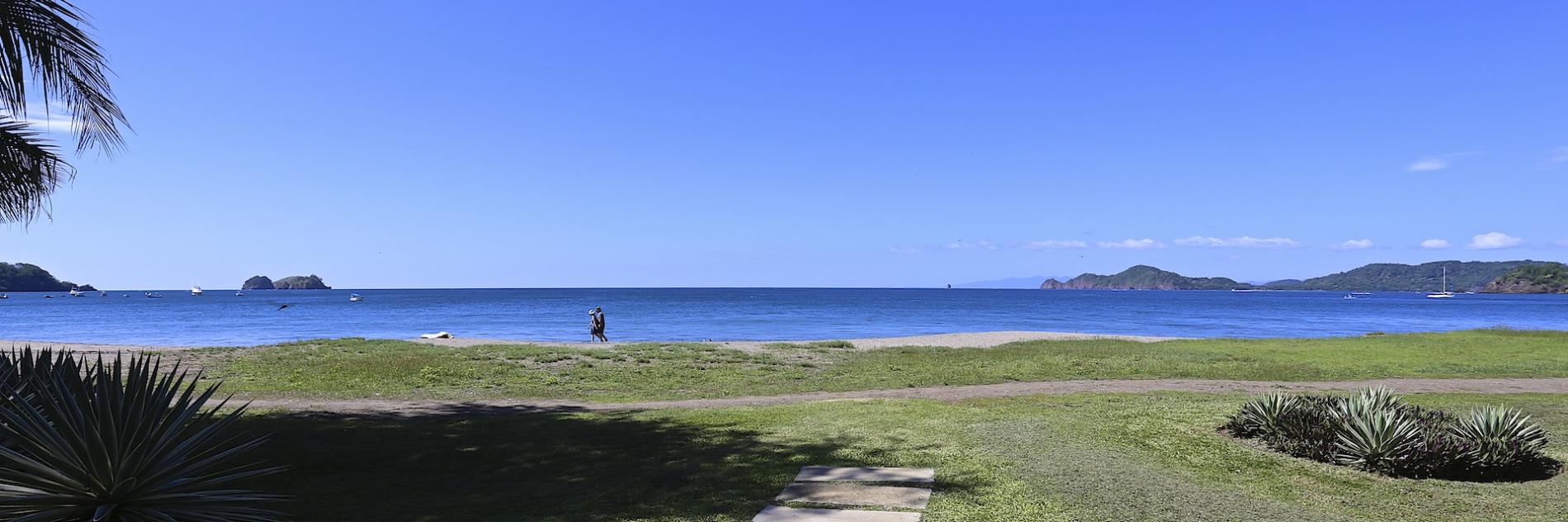
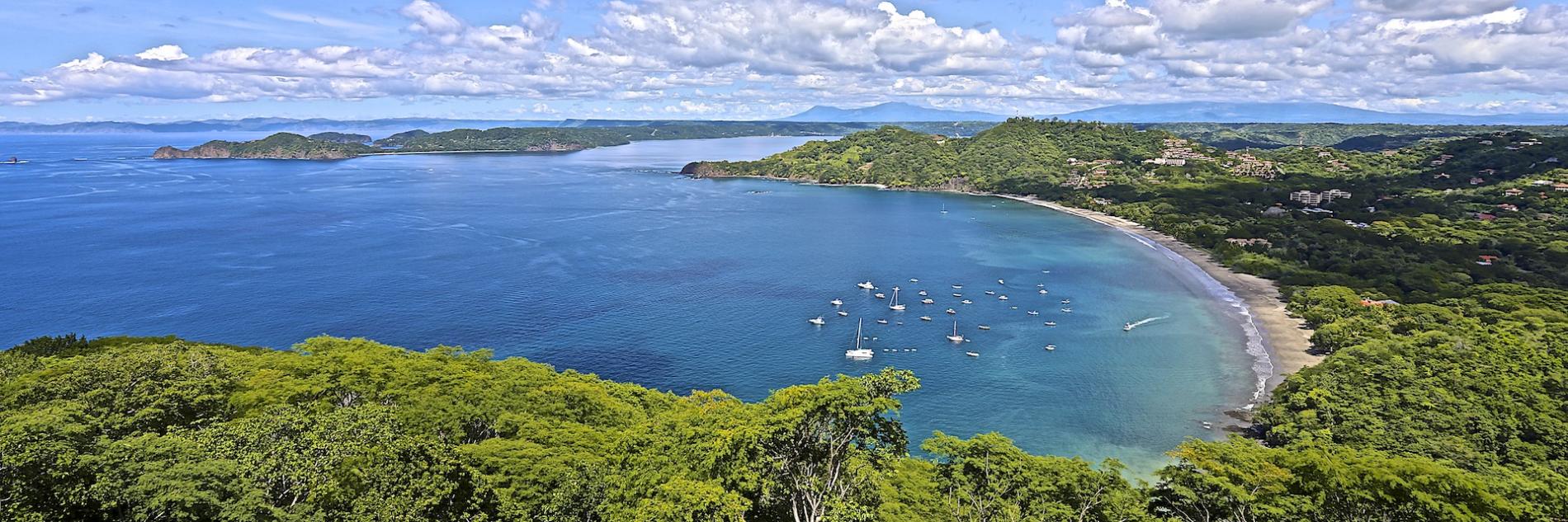
The coveted beaches of the Papagayo region, including destinations like Playa Hermosa and Playas del Coco, fall under the regulations of the Maritime Zone. This zone is legally defined as the first 200 meters of land measured inland from the mean high-tide line.
This 200-meter strip is further divided into two parts:
- The Public Zone (Zona Pública): The first 50 meters are public land. It cannot be developed in any way and must remain open for public use.
- The Restricted Zone (Zona Restringida): The subsequent 150 meters is where concession leases are granted for approved residential and commercial use.
Specific rules apply to foreign ownership within the Restricted Zone. While a foreigner can hold a minority interest in a concession, Costa Rican law generally requires that a Costa Rican citizen or a corporation with majority Costa Rican ownership hold the primary rights. To manage this, foreign buyers often work with their attorneys to establish a legal corporate structure that complies with these regulations while securing their investment and control over the property.
How to Secure Your Investment: The Due Diligence Process
While Costa Rica’s property system is well-established, the responsibility for verifying a property's legal status rests with the buyer. A thorough due diligence process, guided by qualified professionals, is non-negotiable for a safe transaction. This involves examining the official records and ensuring all legal documentation is in order before any funds are transferred.
Verifying Ownership with the National Registry
The National Registry is the cornerstone of property security in Costa Rica. This public database contains the official record for every titled property in the country. Before proceeding with any purchase, your attorney will conduct a comprehensive title search, or estudio registral.
This search confirms that the seller is the legal owner and reveals critical information, such as:
- The property's registered survey plan (plano catastrado)
- Its tax valuation
- Any existing liens, mortgages, or other encumbrances that could affect the title
This transparent system eliminates guesswork and provides a clear, verifiable history of the property.
The Essential Role of a Real Estate Attorney and Notary
Engaging a specialized real estate attorney is the most important step you will take to protect your interests. In Costa Rica, attorneys can also be Notaries Public, who hold significant legal authority. A Notary is required to draft, execute, and register the property transfer deed.
Your attorney acts as your advocate and guide throughout the entire process. Their responsibilities include reviewing the purchase and sale agreement, conducting the title search, opening an escrow account, and ensuring the transfer deed is correctly recorded in the National Registry. Their expertise is indispensable for navigating legal requirements and ensuring your ownership rights are properly secured.
Buying in Gated Communities and Resort Developments
The Papagayo region is home to many world-class resort developments and gated communities. When purchasing within one of these, you are not only buying a property but also becoming part of a community governed by a Homeowners Association (HOA).
Before finalizing your purchase, it is essential to review all related HOA documents. These include the bylaws, covenants, conditions, and restrictions (CC&Rs), and a clear breakdown of the fee structure. Understanding these rules and financial obligations is a key part of your due diligence, as they will govern aspects of property use, maintenance, and community standards.
How Secure Are Foreign Property Rights in Costa Rica?
Property rights in Costa Rica are exceptionally secure for both citizens and foreigners. Concerns about investment security and the risk of government expropriation are understandable when buying abroad, but Costa Rica’s long history as a stable democracy provides a strong foundation for investor confidence. The constitution explicitly protects private property rights for everyone, regardless of nationality.
Cases of expropriation are exceptionally rare and are legally restricted to instances of public interest, requiring full and prior compensation at market value. With a robust legal system, a centralized public registry, and strong constitutional protections, owning property in Costa Rica is not an inherently risky proposition. A purchase conducted with proper professional guidance is a secure and sound investment.